Kigali, the vibrant capital of Kigali, is widely celebrated for its rolling hills, modern atmosphere,…
Pottery and Cultural Experience in Rwanda
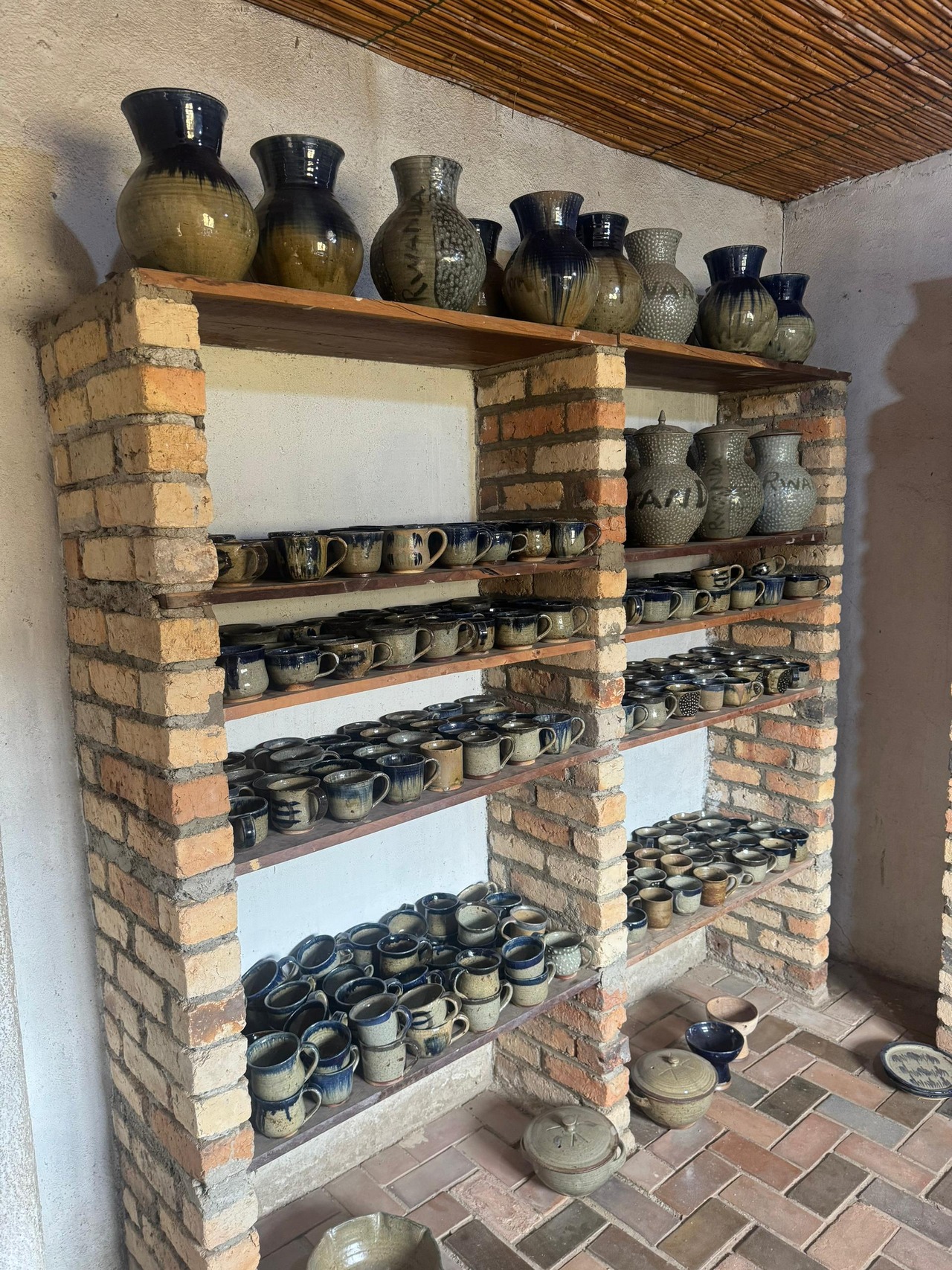
Pottery in Rwanda is more than a craft; it’s a living expression of history, identity, and community. For centuries, Rwandan potters, traditionally women, have shaped clay into vessels used for cooking, storage, and ritual purposes. Each piece reflects a deep understanding of local materials and techniques passed down through generations. The forms are often simple yet elegant, emphasizing function, balance, and durability, while subtle decorative elements carry symbolic meaning tied to daily life and social values.
Experiencing pottery in Rwanda today offers a powerful window into the country’s cultural resilience. In places like the Gahaya and gatagara cooperatives , visitors can watch artisans transform raw clay into beautifully fired ceramics using traditional hand-building methods. The process is slow and intentional, highlighting patience and collaboration rather than mass production. Participating in a pottery workshop allows travelers to engage directly with artisans, hear their stories, and appreciate how craft has become a tool for economic empowerment and post-conflict healing.
Beyond pottery, Rwanda’s cultural experience is deeply communal. From umuganda (community work day) to traditional music and dance, cultural practices emphasize unity, respect, and shared responsibility. Visiting cultural villages or attending local ceremonies reveals how art, storytelling, and craftsmanship are woven into everyday life rather than separated as performance. Pottery fits naturally into this rhythm and objects made by hand continue to serve households, ceremonies, and modern design spaces alike.
Together, pottery and cultural immersion in Rwanda create an experience that feels grounded and authentic. They invite visitors not just to observe, but to slow down, participate, and connect. Through clay, song, and shared time, Rwanda’s culture tells a story of continuity and honoring the past while shaping a thoughtful, creative future.
In Rwandan society, pottery from Gatagara has historically played an important role in daily life, from storing food and water to use in cultural ceremonies. Today, the craft blends tradition with modern design, attracting both local buyers and international visitors. Gatagara pottery stands as a symbol of how indigenous knowledge can remain relevant in contemporary times while supporting community development and cultural pride.
The King’s Palace Museum is a significant cultural heritage site that showcases Rwanda’s traditional monarchy and royal lifestyle. Built in the style of a traditional royal residence, the palace features thatched roofing, woven materials, and carefully arranged interiors that reflect the life of Rwanda’s kings. Visitors can explore royal artifacts, learn about leadership traditions, and see the famous long-horned Inyambo cows, which were symbols of power, wealth, and prestige in the kingdom.
Gatagara pottery and the Nyanza King’s Palace Museum together represent the deep artistic and cultural heritage of Rwanda.The palace showcases the architecture, royal customs, and artifacts of the Rwandan monarchy, offering insight into leadership, unity, and cultural identity. While Gatagara pottery is viewed alongside the exhibits at the Nyanza King’s Palace Museum, it enriches the understanding of how art, craftsmanship, and royalty were interconnected in traditional Rwanda. Together, they demonstrate how material culture and historical sites work hand in hand to preserve and celebrate Rwanda’s national heritage.
CONTACT US TODAY AND TALK WITH TOUR CONSULTANT:
Related Posts