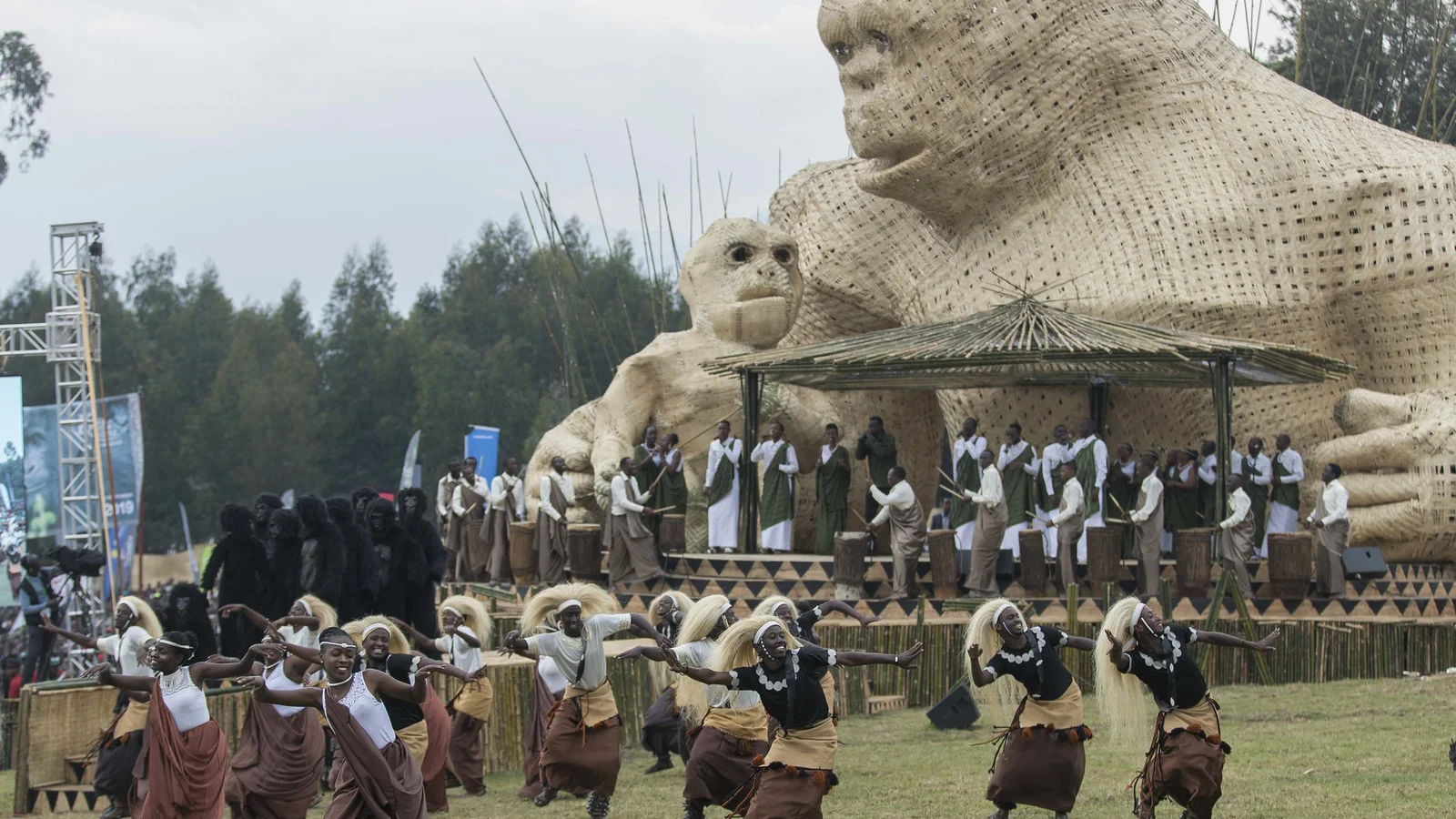
Kwita Izina 2026 is expected to be one of Africa’s most celebrated wildlife and conservation…
First-Time Gorilla Trekking in Rwanda – What You Need to Know
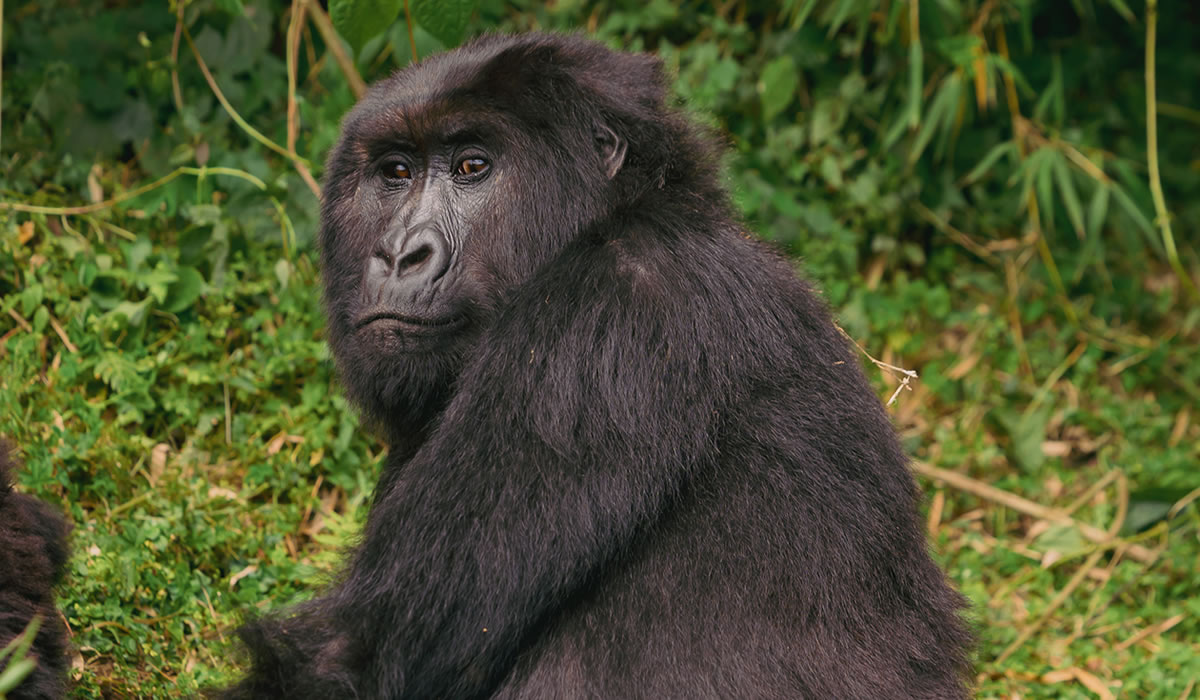
Gorilla trekking in Rwanda is one of the most unforgettable wildlife experiences in the world. For many travellers, seeing endangered mountain gorillas in their natural habitat is a once-in-a-lifetime dream. The experience combines adventure, conservation, breathtaking scenery, and intimate encounters with one of humanity’s closest relatives. Rwanda has become one of Africa’s premier eco-tourism destinations because of its well-organized trekking system, excellent conservation efforts, and easy accessibility. First-time visitors often arrive with excitement mixed with uncertainty, especially regarding permits, fitness levels, weather conditions, and what the actual trek involves. Understanding the basics before arriving can make the entire experience smoother, safer, and far more rewarding.
The main destination for gorilla trekking in Rwanda is Volcanoes National Park, located in the northwestern part of the country near the borders of Uganda and the Democratic Republic of Congo. The park is part of the larger Virunga Conservation Area, a chain of volcanic mountains and forests that provide habitat for endangered mountain gorillas. The landscape is dramatic and beautiful, featuring bamboo forests, mist-covered volcanoes, lush greenery, and rich biodiversity. Travellers are often surprised by how accessible the park is from Kigali. The drive from Kigali to Volcanoes National Park typically takes around two and a half to three hours on good roads, making Rwanda one of the easiest countries in Africa for gorilla trekking logistics.
One of the first things travellers need to know is that gorilla trekking requires a permit. Rwanda’s gorilla permits are among the most expensive in Africa, but the cost supports conservation efforts, local communities, and anti-poaching initiatives. Permits are limited each day to protect the gorillas from excessive human interaction. Because availability can become limited during peak seasons, booking several months in advance is highly recommended. Permits are usually arranged through tour operators or directly through the Rwanda Development Board. Travelers should ensure their permit includes the correct trekking date and passport details because changes can sometimes be difficult after confirmation.
The actual trekking experience begins very early in the morning. Visitors typically arrive at the park headquarters before sunrise for registration, briefing sessions, and group assignments. Rangers explain trekking rules, safety precautions, and gorilla behavior before assigning visitors to one of the habituated gorilla families. Groups are generally small, often limited to eight trekkers per gorilla family, which helps minimize environmental impact and creates a more intimate experience. During the briefing, travellers are informed about the estimated difficulty level of their trek. Some gorilla families live closer to the trailheads, while others require several hours of hiking through steep and muddy terrain.
Fitness is an important consideration for first-time gorilla trekkers. Although you do not need to be an athlete, a reasonable level of physical fitness greatly improves the experience. The trek can range from easy walks lasting under an hour to demanding hikes lasting several hours at high altitude. The terrain may include slippery mud, thick vegetation, uneven ground, and steep slopes. Hiring a porter is strongly encouraged and recommended, even for physically fit travellers. Porters help carry bags, assist during difficult sections of the trail, and provide employment opportunities for local communities. Many trekkers later say the porter service was one of the best decisions they made during the trip.
Packing correctly can make a huge difference during gorilla trekking. Waterproof hiking boots are essential because trails can become muddy even during relatively dry weather. Long trousers and long-sleeved shirts help protect against insects, stinging plants, and scratches from dense vegetation. A lightweight waterproof jacket is highly recommended because rain can begin suddenly in the rainforest environment. Gloves can help while gripping branches or navigating rough terrain. Travellers should also carry drinking water, snacks, sunscreen, insect repellent, and a camera with sufficient battery life. Generally, wear lightweight in neutral colors (olive, khaki, brown, or gray) and avoid shorts, bright colors, jeans, or sandals because the trails are wet, overgrown, and often slippery.
The weather in Rwanda’s mountainous regions can be unpredictable throughout the year. Even during dry seasons, rain showers are common in Volcanoes National Park because of the high-altitude rainforest climate. Rwanda generally experiences two dry seasons and two rainy seasons, but climate patterns can vary. The most popular trekking months are usually from June to September and December to February, when trails are somewhat drier and easier to navigate. However, some experienced travellers prefer rainy seasons because the forests become especially lush and tourist numbers are lower. Regardless of season, trekkers should always prepare for wet and cool conditions in the mountains.
Meeting mountain gorillas in the wild is often described as emotional and deeply moving. Once trackers locate the gorilla family, visitors are allowed to spend a maximum of one hour observing them. During this time, trekkers may witness gorillas feeding, grooming, playing, or resting among the vegetation. Young gorillas are especially entertaining, often tumbling and interacting with each other in playful ways. Silverbacks, the dominant adult males, are usually calm and imposing figures that command respect. Despite their immense strength, gorillas are generally peaceful when visitors follow ranger instructions and maintain appropriate behavior.
There are strict rules designed to protect both humans and gorillas during the encounter. Visitors must maintain a safe distance from the gorillas, usually around seven meters, although gorillas sometimes choose to come closer on their own. Flash photography is prohibited because it may disturb the animals. Trekking participants are instructed to remain calm, avoid sudden movements, and speak softly. Anyone showing symptoms of illness, especially respiratory infections, may be denied participation because gorillas are highly vulnerable to human diseases. Conservation authorities take these precautions seriously due to the endangered status of mountain gorillas and the importance of maintaining healthy populations.
Photography during gorilla trekking can be challenging because of dense forests, changing light conditions, and constant movement. Many first-time trekkers discover that smartphone cameras may struggle in low-light jungle conditions. A camera with strong low-light performance and image stabilization can produce much better results. However, beyond photography, many experienced travellers recommend taking moments simply to observe without focusing entirely on capturing images. The emotional impact of locking eyes with a wild mountain gorilla is difficult to fully convey through photos alone. Some visitors even describe the experience as spiritual because of the striking similarities between gorillas and humans.
Conservation is at the heart of Rwanda’s gorilla tourism model. Decades ago, mountain gorillas faced severe threats from poaching, habitat destruction, and regional conflict. Thanks to extensive conservation programs, international support, and responsible tourism, mountain gorilla populations have gradually increased. Rwanda has become a global example of how tourism revenue can directly support wildlife conservation and community development. A significant percentage of tourism income is invested in local infrastructure, schools, healthcare, and employment opportunities for communities living near protected areas. This approach encourages local people to value conservation rather than view wildlife as a threat to livelihoods.
Many travellers combine gorilla trekking with other attractions in Rwanda. Nyungwe National Park offers chimpanzee trekking, canopy walks, and rich rainforest biodiversity. Akagera National Park provides classic African safari experiences with lions, elephants, giraffes, hippos, and rhinos. Kigali itself has become known for its cleanliness, safety, modern infrastructure, and cultural attractions. The Kigali Genocide Memorial is an important and deeply educational site that helps visitors understand Rwanda’s history and remarkable recovery following the 1994 genocide against the Tutsis.
Accommodation options near Volcanoes National Park range from budget guesthouses to ultra-luxury eco-lodges. Budget travelers can find simple lodges and local guesthouses in nearby towns such as Musanze, while high-end visitors may choose luxury lodges with volcano views, gourmet dining, and personalized services. Some lodges offer cultural experiences, guided village visits, and community programs that allow travelers to engage more deeply with local traditions. Booking accommodations close to the park headquarters is highly recommended because trekking activities begin very early in the morning.
Travel insurance is another important aspect often overlooked by first-time visitors. Gorilla trekking involves hiking in remote mountainous terrain where weather conditions and physical exertion can create unexpected situations. Comprehensive travel insurance should ideally include medical coverage, emergency evacuation, and trip cancellation protection. Some insurance providers specifically cover adventure activities like trekking. Travelers should also check visa requirements before arrival. Rwanda offers relatively straightforward entry procedures for many nationalities, and East African tourist visas may allow combined travel to neighboring countries like Uganda and Kenya.
Health preparation is equally important before visiting Rwanda. Travelers should consult healthcare providers regarding recommended vaccinations and preventive medications. Malaria prevention may be advised depending on travel plans within the region, although Volcanoes National Park itself is at relatively high altitude where malaria risk is lower. Carrying personal medications, basic first aid supplies, and hand sanitizer is wise. Because gorillas are susceptible to human illnesses, maintaining good hygiene practices during trekking is strongly encouraged by conservation authorities.
Cultural respect can significantly enhance the experience in Rwanda. Rwandans are widely recognized for their hospitality, politeness, and strong sense of community. Learning a few local greetings in Kinyarwanda can create positive interactions with guides, lodge staff, and local residents. Visitors should also remember that Rwanda’s recent history remains sensitive for many citizens. Respectful behavior at memorial sites and during cultural conversations is important. Travelers often leave Rwanda impressed not only by its wildlife but also by the resilience, cleanliness, organization, and warmth of the country itself.
For many first-time visitors, the greatest surprise is how emotionally powerful gorilla trekking becomes once they are standing only a few meters away from a gorilla family in the misty forest. The experience goes beyond ordinary tourism because it creates a profound connection between humans and wildlife. Watching gorillas interact socially, care for their young, and observe visitors with curiosity can change perspectives on conservation and the natural world. Long after the trek ends, many travellers continue reflecting on the silence of the forest, the intensity of the encounter, and the privilege of witnessing one of Earth’s rarest animals in its natural environment.
Ultimately, gorilla trekking in Rwanda is not just an adventure activity; it is an extraordinary journey into one of Africa’s most protected ecosystems and one of humanity’s closest evolutionary relationships. Preparation, respect for conservation rules, physical readiness, and openness to the unexpected all contribute to a successful experience. Whether someone travels primarily for wildlife photography, conservation interest, adventure, or personal inspiration, Rwanda offers a remarkably organized and memorable introduction to mountain gorillas. For first-time trekkers, careful planning and realistic expectations help transform the journey from a simple vacation into a truly life-changing experience. With us, You Explore Like Never Before!
For more Info, CONTACT US TODAY AND TALK WITH TOUR CONSULTANT:
Call or WhatsApp: +250 794 128 369
Related Posts