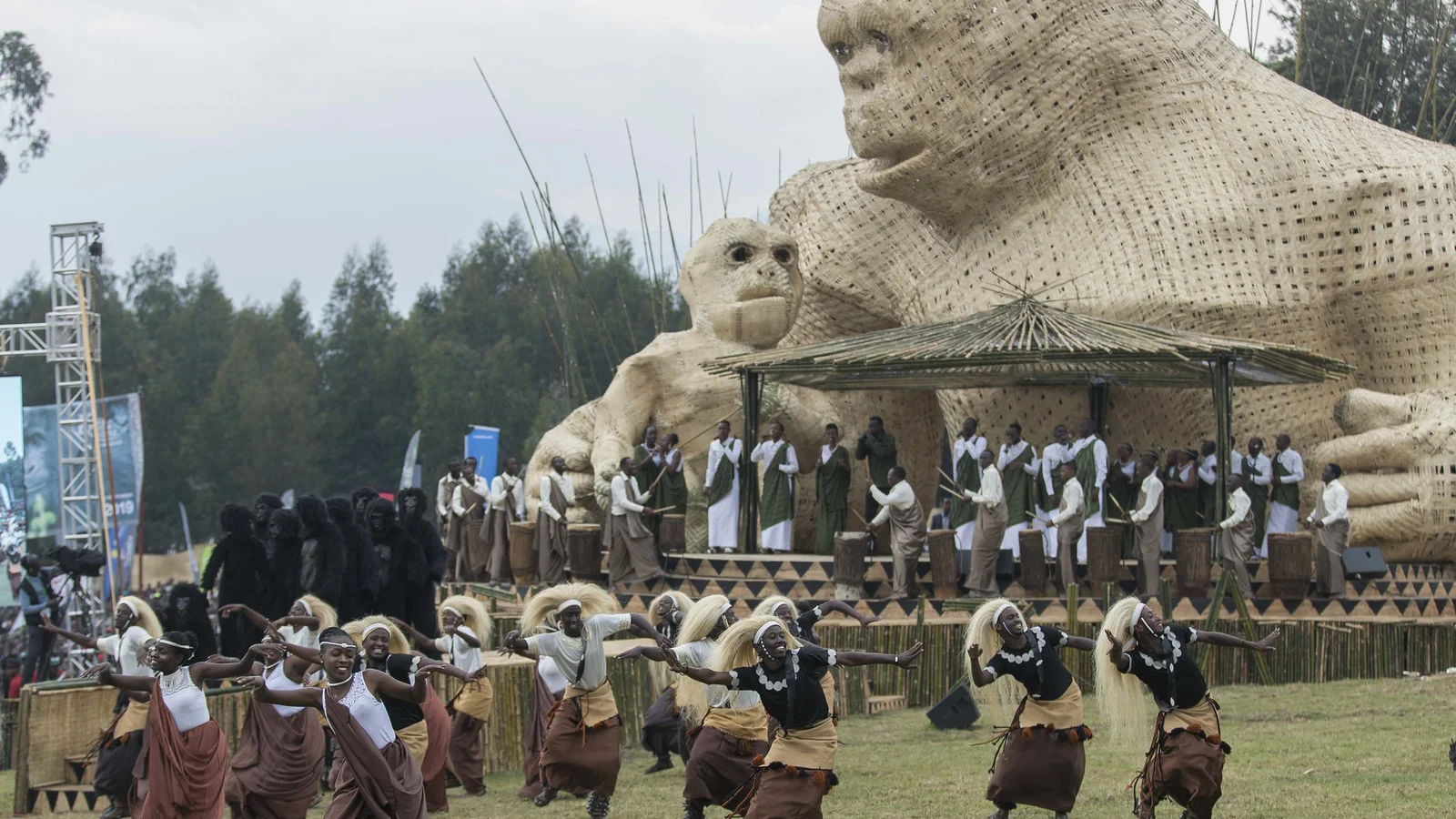
Kwita Izina 2026 is expected to be one of Africa’s most celebrated wildlife and conservation…
Best Wildlife Safaris in Rwanda – A Complete 2026–2027 Guide
Rwanda has emerged as one of Africa’s most rewarding safari destinations, combining extraordinary wildlife encounters, strong conservation success, modern tourism infrastructure, and breathtaking scenery. Known as the “Land of a Thousand Hills,” Rwanda offers far more than mountain gorillas. Travelers can experience Big Five safaris, chimpanzee trekking, rainforest adventures, volcanic hikes, birdwatching, luxury eco-lodges, and rich cultural experiences all within a relatively compact country. The country’s tourism model focuses heavily on sustainability and conservation, making Rwanda one of the most premium and responsible safari destinations in Africa today.
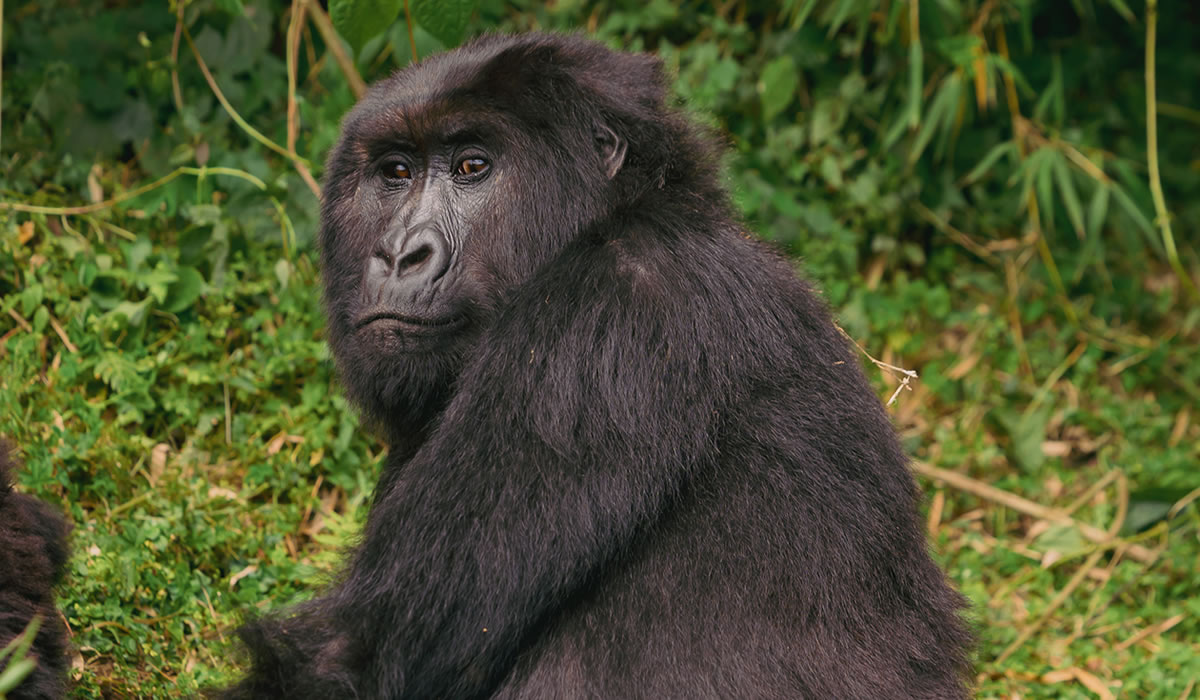
The crown jewel of Rwandan wildlife tourism is Volcanoes National Park, home to the endangered mountain gorillas of the Virunga Mountains. Established in 1925, it is Africa’s oldest national park and remains one of the world’s best gorilla trekking destinations. Visitors can trek through mist-covered bamboo forests alongside expert trackers and spend a precious hour observing gorilla families in their natural habitat. The park protects multiple habituated gorilla groups and also supports golden monkeys, forest elephants, and over 200 bird species.
Gorilla trekking in Rwanda is often described as a life-changing wildlife experience. Treks begin early in the morning with ranger briefings before small groups hike into dense rainforest terrain. Trek durations vary depending on gorilla movements, ranging from one hour to several hours. Once located, visitors can observe the gorillas feeding, grooming, playing, and interacting socially. Rwanda limits visitor numbers to protect the gorillas and maintain an intimate experience. This strict conservation approach has helped mountain gorilla populations steadily recover over the years.
Beyond gorillas, Volcanoes National Park also offers exceptional adventures for active travelers. Visitors can hike Mount Bisoke to its scenic crater lake, climb Mount Karisimbi, the tallest volcano in Rwanda or visit the famous Dian Fossey research site(Dian Fossey Tomb). Golden monkey trekking has become increasingly popular as a lower-cost alternative to gorilla trekking, offering vibrant encounters with playful primates in bamboo forests. The volcanic scenery, dramatic mountain views, and cool climate make this region one of East Africa’s most visually spectacular safari destinations.
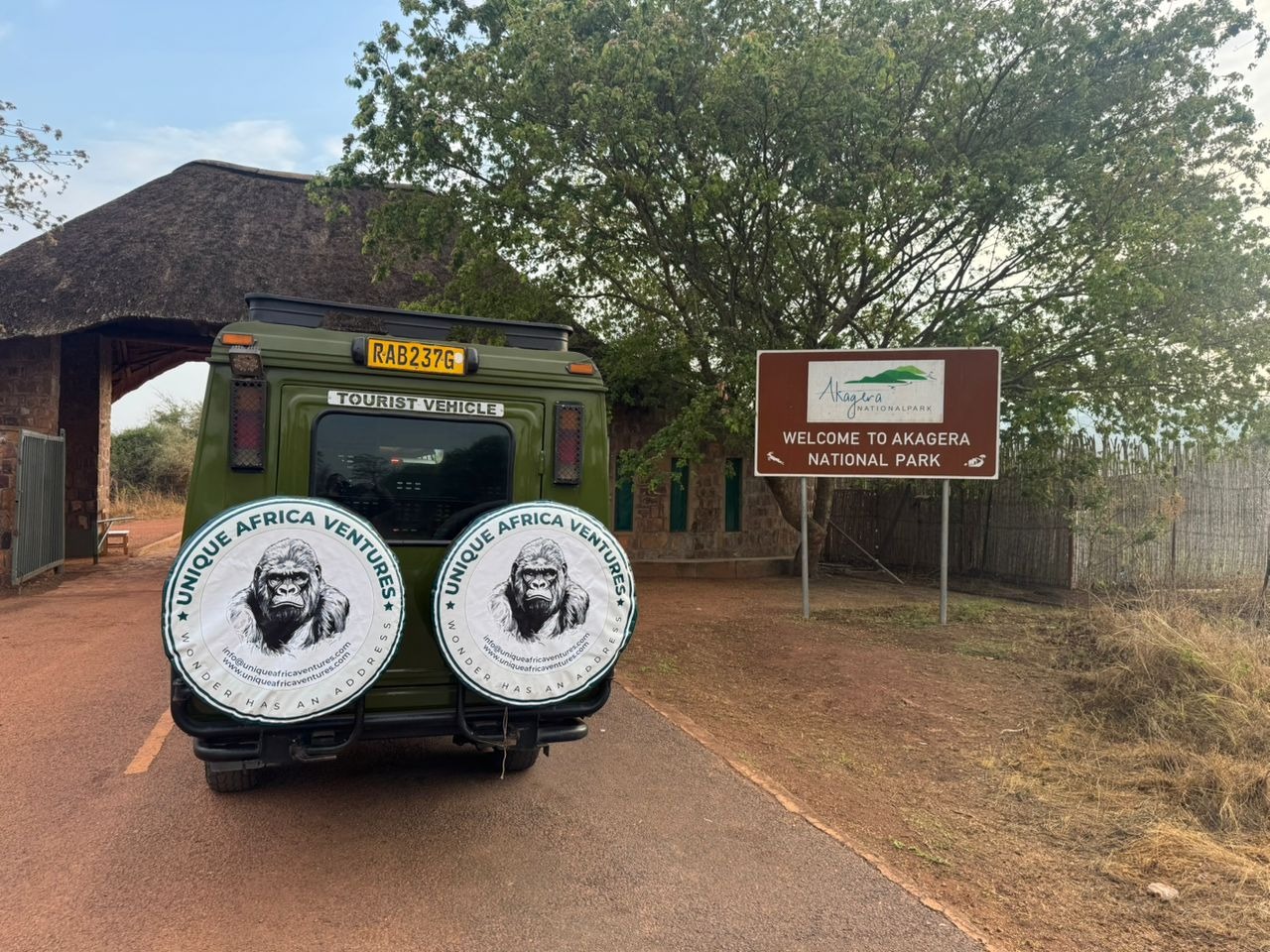
Rwanda’s leading Big Five safari destination is Akagera National Park, a remarkable conservation success story. Located in eastern Rwanda near the Tanzanian border, Akagera covers over 1,100 square kilometers of savannah plains, wetlands, lakes, and woodland habitats. Once devastated by poaching and habitat loss after the 1994 genocide, the park has undergone a dramatic transformation through partnerships between the Rwanda Development Board and African Parks. Lions were reintroduced in 2015, black rhinos in 2017, and white rhinos later followed, restoring the park’s complete Big Five population.
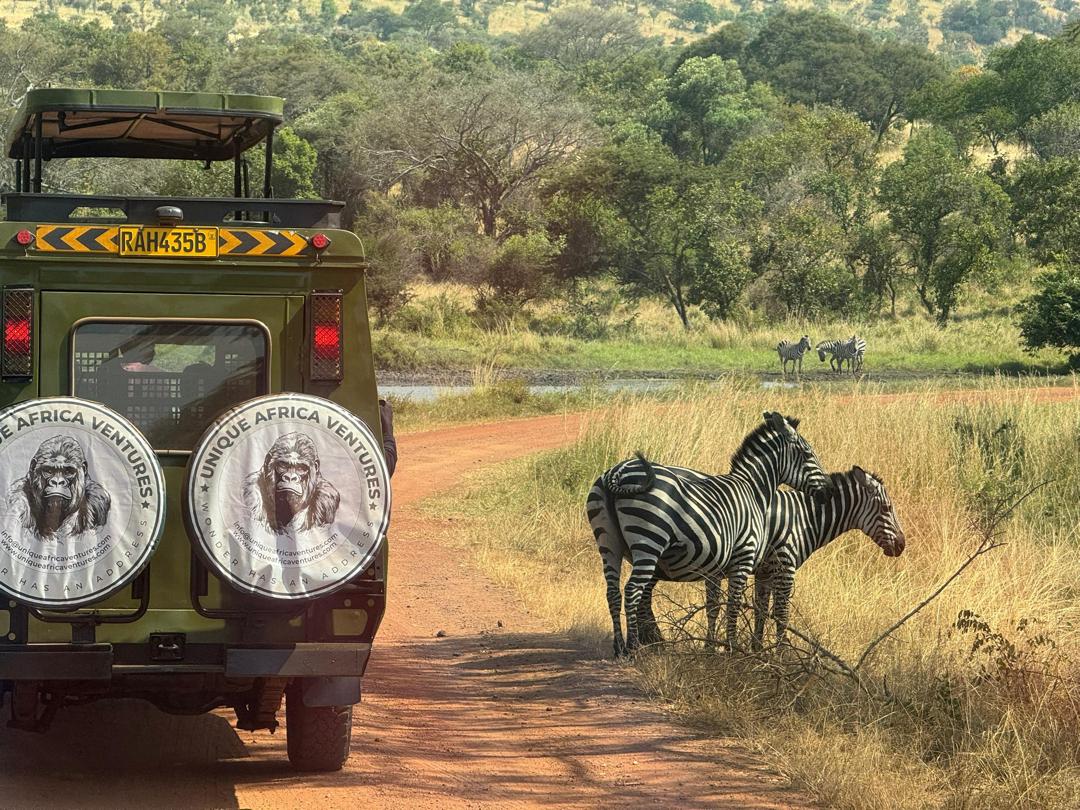
Today, Akagera National Park provides classic African safari experiences with far fewer crowds than many larger East African parks. Visitors can encounter lions, elephants, buffaloes, leopards, rhinos, giraffes, zebras, antelopes, hippos, crocodiles, and hyenas. The park’s landscapes are incredibly diverse, featuring open savannah, rolling hills, papyrus swamps, and scenic lakes. Morning and evening game drives are particularly productive for spotting predators and large mammals. Night drives offer opportunities to observe nocturnal wildlife rarely seen during daytime safaris.
One of Akagera’s most memorable activities is the boat safari on Lake Ihema. These guided cruises allow visitors to approach hippos, crocodiles, and waterbirds at close range while enjoying beautiful sunset scenery. Birdwatchers are especially drawn to Akagera because the park hosts over 500 bird species, including the rare shoebill stork and African fish eagle. The wetlands and lakes create ideal habitats for aquatic birds and migratory species throughout the year.
Travelers seeking rainforest adventures should explore Nyungwe Forest National Park, one of Africa’s oldest and most biodiverse montane rainforests. Nyungwe is renowned for chimpanzee trekking, canopy walks, primate encounters, and birdwatching. The forest covers nearly 1,000 square kilometers and supports an extraordinary ecosystem with hundreds of bird species, orchids, butterflies, and mammals. It is one of the most pristine rainforests remaining in East Africa.
Chimpanzee trekking in Nyungwe offers a thrilling contrast to gorilla trekking. Chimpanzees are highly energetic and vocal, often moving rapidly through the forest canopy. Treks typically begin before sunrise when the chimps are most active. In addition to chimpanzees, visitors may encounter large troops of black-and-white colobus monkeys, L’Hoest’s monkeys, mangabeys, and vervet monkeys. Nyungwe is considered one of Africa’s premier primate destinations because of this exceptional species diversity.
The famous Nyungwe Canopy Walk is another highlight of Rwanda’s safari circuit. Suspended high above the rainforest floor, the walkway provides panoramic views across the treetops and surrounding mountains. This attraction combines adventure tourism with wildlife observation and photography opportunities. The rainforest scenery, waterfalls, hiking trails, and cool mountain climate make Nyungwe especially attractive for eco-tourists and nature enthusiasts seeking more than traditional game drives.
Another emerging safari destination is Gishwati-Mukura National Park, Rwanda’s newest national park. Although smaller than the country’s other protected areas, Gishwati-Mukura plays an important role in Rwanda’s conservation efforts. The park protects fragmented rainforest ecosystems and supports chimpanzees, golden monkeys, blue monkeys, and many bird species. Conservation and reforestation programs continue to expand wildlife habitats here, making it an increasingly attractive destination for eco-conscious travelers.
Luxury safari tourism has become a defining feature of Rwanda’s wildlife industry. High-end lodges near Volcanoes National Park and Akagera provide exceptional comfort, gourmet dining, spa facilities, and personalized guiding experiences. Rwanda’s safari lodges emphasize sustainability and community engagement, often employing local residents and supporting conservation projects. Several internationally recognized eco-luxury brands now operate in Rwanda, elevating the country’s reputation as a premium safari destination.
One reason Rwanda appeals strongly to international travelers is its accessibility. Unlike many African safari destinations that require multiple domestic flights, Rwanda’s parks are relatively close to the capital city of Kigali. Volcanoes National Park can be reached within approximately two to three hours by road, while Akagera and Nyungwe are also accessible through scenic drives. This compact geography allows travelers to combine gorilla trekking, Big Five safaris, and rainforest adventures within a single itinerary.
The best time for wildlife safaris in Rwanda is generally during the dry seasons from June to September and from December to February. These months provide easier hiking conditions, improved wildlife visibility, and better photography opportunities. Gorilla trekking is available year-round, although rainy seasons can create muddy and slippery trails. Budget-conscious travelers may prefer the low seasons between March and May when accommodation discounts and permit availability are more favorable.
Rwanda has positioned itself as a global leader in conservation-based tourism. Revenue generated from gorilla permits and safari tourism directly supports wildlife protection, anti-poaching initiatives, and local communities. Community tourism projects, conservation education, and habitat restoration efforts have helped create positive relationships between protected areas and surrounding populations. The successful restoration of Akagera’s wildlife populations stands as one of Africa’s greatest modern conservation achievements.
Birdwatching in Rwanda deserves special recognition because the country hosts more than 700 recorded bird species despite its relatively small size. The Albertine Rift region contains many endemic species highly sought after by birders worldwide. Akagera’s wetlands, Nyungwe’s rainforests, and Volcanoes National Park’s montane forests each provide unique bird habitats. Species such as the shoebill stork, Rwenzori turaco, great blue turaco, and numerous sunbirds attract dedicated birdwatchers from around the world.
Safari itineraries in Rwanda can range from short two-day excursions to extended multi-park adventures. A common itinerary includes gorilla trekking in Volcanoes National Park combined with Big Five safaris in Akagera. Longer trips may add Nyungwe Forest for chimpanzee trekking and canopy walks. Rwanda also pairs well with neighboring Uganda, Tanzania, and Kenya for travelers seeking broader East African safari experiences.
Cultural tourism complements Rwanda’s wildlife safaris beautifully. Visitors can explore local villages, traditional dance performances, coffee plantations, artisan markets, and historical sites. Kigali itself has become one of Africa’s cleanest and safest cities, offering excellent restaurants, art galleries, and museums. Many travelers combine wildlife experiences with cultural immersion to gain a deeper understanding of Rwanda’s history, resilience, and modern transformation.
Photography enthusiasts find Rwanda exceptionally rewarding due to its dramatic landscapes and intimate wildlife encounters. The misty Virunga volcanoes, rainforest trails, savannah sunsets, and close-range gorilla photography opportunities create extraordinary visual experiences. Rwanda’s conservation-focused tourism policies also help reduce overcrowding, enabling photographers to enjoy more personal and less chaotic wildlife encounters compared to some busier safari destinations.
Ultimately, Rwanda offers one of Africa’s most diverse and sophisticated safari experiences. Whether trekking mountain gorillas through misty forests, tracking lions across Akagera’s savannahs, or walking above Nyungwe’s rainforest canopy, travelers encounter a nation deeply committed to conservation, sustainability, and hospitality. The combination of wildlife diversity, safety, accessibility, luxury, and natural beauty ensures Rwanda will remain one of the continent’s premier safari destinations throughout 2026 and 2027.
CONTACT US TODAY AND TALK WITH TOUR CONSULTANT:
Call or WhatsApp: +250 794 128 369
Related Posts