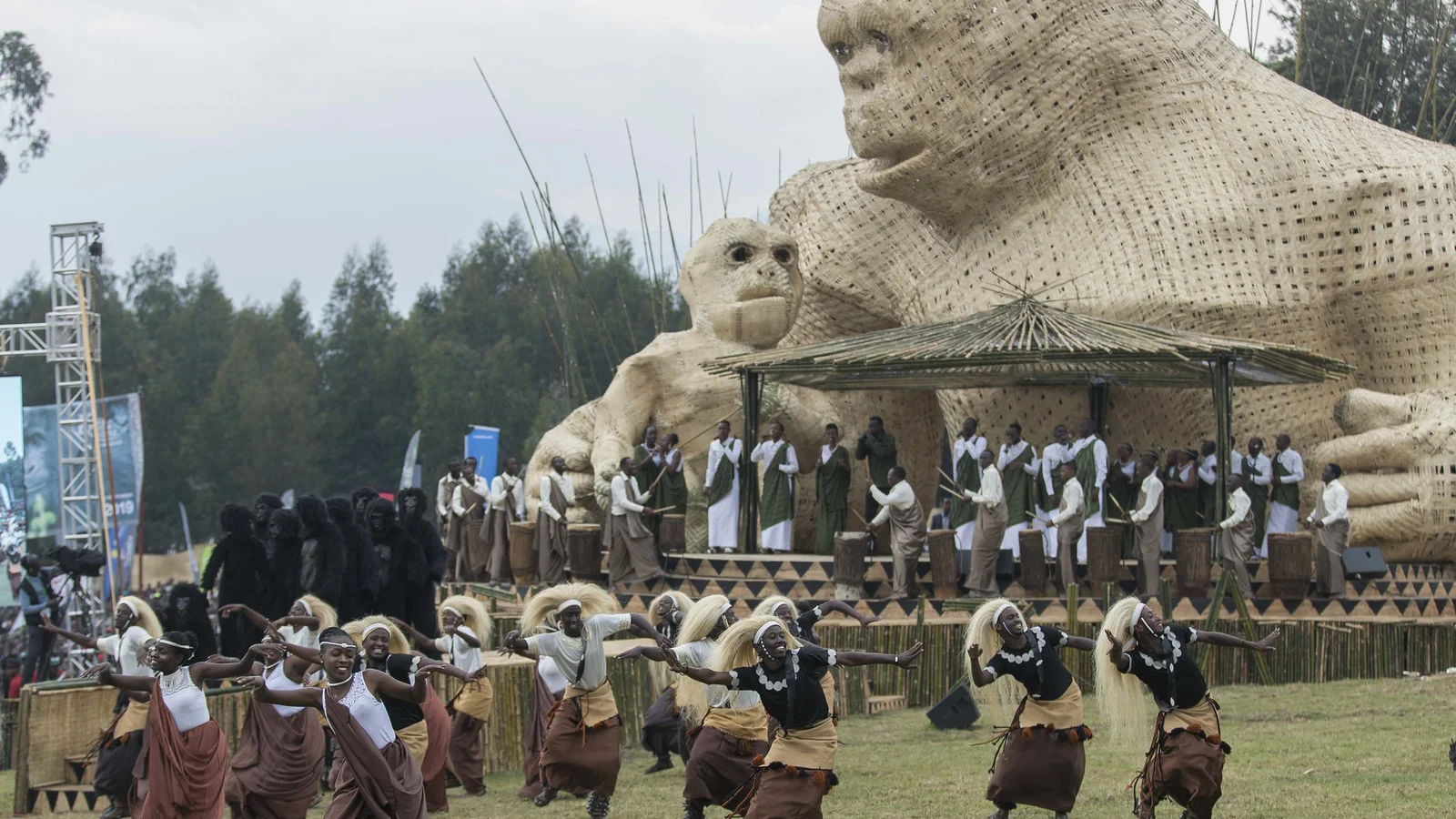
Kwita Izina 2026 is expected to be one of Africa’s most celebrated wildlife and conservation…
Akagera National Park Safari – Big Five Game Drives & Boat Trips
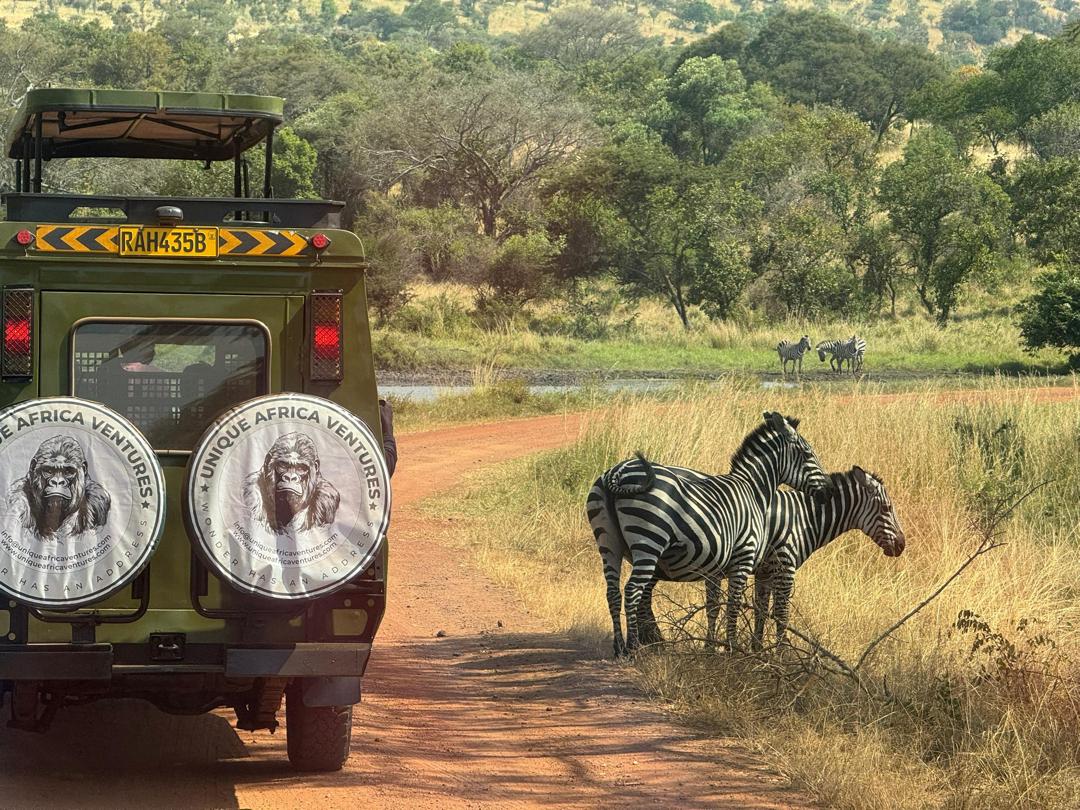
A safari in Akagera National Park is one of the most unforgettable wildlife experiences in East Africa. Located in the eastern part of Rwanda near the Tanzanian border, Akagera is Rwanda’s only savannah national park and one of the few places in Africa where visitors can enjoy a complete Big Five safari experience in a relatively compact and scenic wilderness. The park covers rolling grasslands, acacia woodlands, papyrus swamps, lakes, and wetlands that support an incredible diversity of wildlife and birdlife. Over the years, Akagera has transformed into a conservation success story, attracting nature lovers, photographers, adventure seekers, and luxury safari travellers from around the world. The park’s peaceful landscapes, combined with thrilling wildlife encounters, make every safari deeply memorable.
One of the greatest highlights of visiting Akagera National Park is the opportunity to encounter the famous Big Five animals: lions, elephants, rhinos, buffaloes, and leopards. These iconic species roam freely across the park’s savannah plains and woodland areas, giving visitors the chance to witness authentic African wildlife in its natural habitat. Lions were successfully reintroduced into the park in 2015 after being absent for nearly two decades, while black and white rhinos were later reintroduced through major conservation initiatives. Today, Akagera stands proudly as Rwanda’s premier safari destination, where travellers can experience exciting wildlife viewing without the heavy tourist crowds often found in larger safari destinations elsewhere in Africa.
Game drives in Akagera National Park are the centerpiece of any safari adventure. Early morning game drives are particularly rewarding because wildlife is most active during the cool hours after sunrise. Visitors often leave camp before dawn, driving through mist-covered savannahs as the first golden rays of sunlight illuminate the landscape. During these morning drives, it is common to spot elephants crossing the road, giraffes gracefully feeding on acacia trees, zebras grazing in open plains, and buffalo herds gathering near water sources. Experienced guides help visitors track predators and explain fascinating details about animal behavior, ecosystems, and conservation efforts within the park. Every drive feels unique because wildlife movements constantly change depending on weather, season, and migration patterns.
The northern section of Akagera National Park is especially famous for predator sightings and wide-open savannah landscapes. This remote area provides ideal conditions for spotting lions and, occasionally, elusive leopards hidden among rocky outcrops or woodland vegetation. The Kilala Plains are among the best wildlife viewing areas in the park because many herbivores gather there, naturally attracting predators. Visitors exploring the northern circuit often enjoy dramatic safari scenes involving hunting lions, playful cubs, or elephants moving silently through the grasslands. Because this region is less crowded and more isolated, the safari experience feels authentic and intimate, allowing travelers to connect deeply with nature.
Boat trips on Lake Ihema offer a completely different perspective of Akagera National Park and are considered one of the park’s most relaxing yet exciting activities. As visitors glide slowly across the calm waters, they can observe large groups of hippos wallowing near the shoreline while massive Nile crocodiles rest lazily under the sun. The lake’s quiet environment creates excellent opportunities for photography, especially during sunrise and sunset when the reflections on the water become breathtakingly beautiful. Boat safaris also allow travellers to appreciate the park’s wetland ecosystems, which support a remarkable variety of aquatic wildlife and birds. The peaceful rhythm of the boat contrasts wonderfully with the intensity of traditional game drives, creating a balanced safari experience.
Birdwatching enthusiasts consider Akagera National Park one of the best birding destinations in Central and East Africa. The park is home to more than 500 recorded bird species, including both resident and migratory birds. Wetlands, swamps, lakeshores, and savannah habitats create ideal conditions for diverse bird populations to thrive throughout the year. Visitors may encounter African fish eagles, crowned cranes, kingfishers, herons, shoebill storks, and colorful bee-eaters during both game drives and boat excursions. For photographers and bird lovers, the abundance of birdlife provides endless opportunities to capture spectacular wildlife moments. The park’s peaceful lakes and papyrus swamps are particularly rewarding for birdwatching because many rare species are easier to spot there than in other parts of Africa.
One of the most fascinating aspects of an Akagera safari is the diversity of landscapes within a relatively small area. Unlike parks dominated by only one type of terrain, Akagera combines open plains, rolling hills, wetlands, forests, lakes, and swamps into one extraordinary ecosystem. As visitors move through different regions of the park, the scenery changes dramatically, creating a sense of constant discovery. One moment, travellers may drive through golden grasslands filled with antelope, and the next they may enter dense woodland echoing with bird calls. This variety not only enhances the visual beauty of the safari but also supports a wide range of wildlife species adapted to different habitats.
The conservation success story of Akagera National Park is one of the most inspiring in Africa. Following the tragic events of the 1994 genocide against the Tutsi, the park suffered severe wildlife losses, habitat destruction, and encroachment by human settlements. Many large mammals disappeared entirely, and poaching became a major challenge. However, partnerships between the Rwandan government and conservation organizations helped restore the park through anti-poaching initiatives, community engagement, habitat restoration, and wildlife reintroductions. Today, Akagera has become a symbol of ecological recovery and sustainable tourism. Wildlife populations continue to grow steadily, and tourism revenue helps support both conservation projects and local communities surrounding the park.
Luxury lodges and tented camps within Akagera National Park offer visitors comfortable accommodations surrounded by stunning natural scenery. Some lodges overlook Lake Ihema, allowing guests to watch hippos and birds directly from their private decks. Others are situated deep within the savannah, where wildlife frequently wanders near the camp at night. These accommodations range from eco-friendly campsites to high-end luxury safari lodges offering gourmet dining, swimming pools, spa treatments, and personalized safari experiences. Sleeping in the heart of the wilderness creates an immersive atmosphere where visitors can hear lions roaring in the distance or hyenas calling under the stars. This close connection to nature enhances the emotional impact of the safari experience.
Night drives in Akagera National Park add another exciting dimension to wildlife exploration. Unlike daytime safaris, night drives reveal the hidden world of nocturnal animals rarely seen during daylight hours. Using spotlights, guides search for creatures such as bush babies, genets, hyenas, civets, porcupines, and hunting predators moving silently through the darkness. The atmosphere during a night safari is thrilling because every sound, movement, and shadow feels mysterious and unpredictable. Visitors often gain a deeper appreciation for the complexity of African ecosystems after witnessing how wildlife behavior changes after sunset. Night drives also provide unique opportunities for photography and close encounters with elusive species.
Walking safaris provide adventurous travellers with a chance to experience Akagera National Park on foot while accompanied by armed guides and expert trackers. Unlike game drives conducted inside vehicles, walking safaris allow visitors to appreciate the smaller details of nature often overlooked during traditional safaris. Guests learn to identify animal tracks, study native plants, observe insects, and understand the interconnected relationships within the ecosystem. Walking through the savannah creates a heightened sense of awareness because every sound and movement becomes significant. The experience feels both educational and exhilarating, especially when encountering wildlife from a respectful but closer perspective.
Photography safaris in Akagera attract wildlife photographers from around the world who seek dramatic landscapes and intimate animal encounters. The park’s natural lighting conditions, especially during sunrise and sunset, create spectacular opportunities for capturing stunning safari images. Reflections on Lake Ihema, silhouettes of giraffes against orange skies, and close-up portraits of lions or elephants make Akagera an extraordinary destination for wildlife photography. Professional guides often know the best locations and times for specific sightings, helping photographers maximize their chances of capturing unforgettable moments in the wild.
The park is also an excellent destination for family safaris because of its accessibility and relatively safe infrastructure. Located only about two to three hours from Kigali, Akagera is easy to reach for travellers with limited time in Rwanda. Families can enjoy short safaris, boat rides, educational wildlife experiences, and comfortable accommodations suitable for children. The park’s growing tourism facilities make it possible for visitors of different ages and travel styles to experience authentic African wildlife adventures without extensive travel logistics. This convenience has helped Akagera become one of the fastest-growing safari destinations in East Africa.
Community tourism plays an important role in the success of Akagera National Park. Local communities living around the park benefit from tourism revenue through employment opportunities, cultural tourism projects, craft markets, guiding services, and conservation partnerships. Visitors can participate in cultural experiences that introduce them to traditional Rwandan lifestyles, cattle farming, honey production, and local crafts. These interactions create meaningful connections between travelers and local people while promoting sustainable tourism development. By supporting community-based tourism initiatives, Akagera helps ensure that conservation benefits both wildlife and surrounding human populations.
Seasonal changes greatly influence safari experiences in Akagera National Park. During the dry season, wildlife gathers around water sources, making animals easier to spot during game drives and boat trips. The landscapes become golden and dusty, creating classic safari scenery ideal for photography. In contrast, the rainy season transforms the park into a lush green paradise filled with vibrant vegetation and abundant birdlife. Although some roads may become muddy, the scenery becomes exceptionally beautiful, and visitor numbers are usually lower. Each season offers different advantages, allowing travellers to choose experiences that match their interests and travel preferences.
Akagera National Park continues to gain international recognition as one of Africa’s rising safari destinations because it combines spectacular wildlife, conservation success, scenic beauty, and accessibility. Travellers visiting Rwanda for gorilla trekking increasingly add Akagera to their itineraries in order to experience both rainforest and savannah ecosystems within the same country. This unique combination makes Rwanda one of the few destinations where visitors can track mountain gorillas and enjoy Big Five safaris during a single journey. Akagera’s peaceful atmosphere, rich biodiversity, and growing tourism infrastructure ensure that every safari becomes a truly unforgettable adventure filled with discovery, excitement, and natural beauty. Explore Like Never Before With Us!
For more Info, CONTACT US TODAY AND TALK WITH TOUR CONSULTANT:
Call or WhatsApp: +250 794 128 369
Related Posts